swift hot water system troubleshooting pdf
Swift Hot Water System Troubleshooting: A Comprehensive Guide
This guide offers practical steps for diagnosing and resolving common issues in Swift hot water systems, crucial for caravans and motorhomes. Access Swift manuals and Australia-wide repair services for optimal performance and uninterrupted hot water.
Understanding Swift Hot Water Systems
Swift hot water systems are popular choices for recreational vehicles, including caravans and motorhomes, providing on-demand hot water for convenience and comfort. These systems typically utilize a rapid heating element, allowing for quick temperature increases compared to traditional tank-based heaters. Understanding the core components – the Power Control Unit (PCU), the heating element, the pump, and associated sensors – is fundamental for effective troubleshooting.
The PCU acts as the brain of the system, managing temperature control, safety features like thermal overload protection, and displaying error codes to indicate potential problems. The heating element directly heats the water as it flows through the unit. A robust pump ensures consistent water circulation. Swift systems often incorporate frost protection features, crucial for preventing damage in colder climates, indicated by error codes like F405.
Accessing the Swift Hot Water System Manual is paramount. These manuals detail specific model configurations, wiring diagrams, and detailed troubleshooting steps. They also outline essential maintenance procedures, such as checking coolant levels and ensuring proper water treatment to prevent scale buildup. Familiarizing yourself with your specific model’s manual will significantly aid in diagnosing and resolving issues efficiently, potentially avoiding costly repairs or service calls.
Common Swift Hot Water System Error Codes
Swift hot water systems employ error codes displayed on the Power Control Unit (PCU) to signal malfunctions, streamlining the troubleshooting process. Recognizing these codes is the first step towards a swift resolution. The E3 error, frequently reported, indicates a high water temperature, even when the heater isn’t actively engaged, suggesting a sensor issue or a problem with temperature regulation.

Another common code is F405, signifying a frost protection error due to low water pressure. This often occurs in colder conditions and necessitates checking the water supply and ensuring adequate pressure. Other codes may relate to pump failures, heating element malfunctions, or issues with the coolant system. Consistent error codes, particularly those related to overheating, warrant immediate attention to prevent potential damage.
The Swift Hot Water System Manual provides a comprehensive list of error codes specific to your model, along with detailed explanations and recommended solutions. Utilizing this resource, alongside online troubleshooting guides, empowers users to diagnose and address issues independently. Remember to always disconnect the power supply before attempting any repairs or inspections, prioritizing safety.
E3 Error Code: High Water Temperature – Causes & Solutions
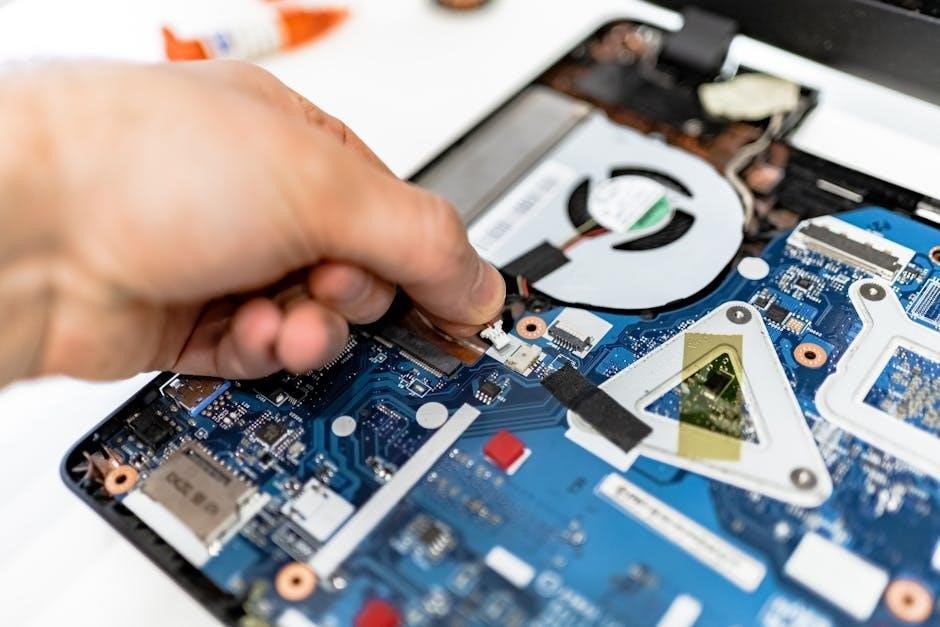
The E3 error code on a Swift hot water system’s PCU signals an excessively high water temperature, even when the heating element is supposedly off. This doesn’t necessarily indicate a heating malfunction; instead, it often points to a faulty temperature sensor providing inaccurate readings. A common initial step is to thoroughly flush the system with fresh water, as mineral buildup can sometimes interfere with sensor accuracy.
However, if the issue persists, the temperature sensor itself likely requires replacement. Before replacing, inspect the sensor’s wiring for any damage or loose connections. Another potential cause is a malfunctioning PCU, unable to correctly interpret sensor data or control the heating element. Check the upstream water treatment system for contaminants that could be affecting the system’s performance.

Always consult the Swift Hot Water System Manual for specific instructions related to your model. If you’re uncomfortable performing these checks, contact a qualified technician. Ignoring an E3 error can lead to overheating and potential damage to the unit, so prompt attention is crucial.

Overheating Issues & Thermal Overload Protection
Swift hot water systems incorporate thermal overload protection as a safety mechanism. The motor is designed to operate at a certain temperature, but if it overheats, an internal protector automatically shuts it down. This prevents damage to the motor and other components. Once cooled, the protector resets, allowing the system to restart.
Consistent overheating, however, indicates an underlying problem. Dull cutting tools, if applicable to your model, significantly increase motor strain and heat generation. Ensure they are sharp and properly maintained. Critically, verify sufficient water levels in the coolant tank; inadequate coolant prevents effective heat dissipation, leading to rapid overheating.
Inspect the water supply for restrictions or blockages, as insufficient water flow can also cause overheating. Check for any debris obstructing the pump or heater. Refer to the Swift Hot Water System Manual for detailed diagrams and troubleshooting steps specific to your unit. If the problem persists after these checks, professional assistance is recommended to avoid further damage.
Motor Overheat Troubleshooting
If your Swift hot water system’s motor consistently overheats and shuts down, a systematic approach to troubleshooting is essential. First, allow the motor to cool completely before attempting a restart. Repeated shutdowns signal a deeper issue requiring investigation.
Begin by examining potential obstructions to water flow. Restricted flow forces the motor to work harder, generating excessive heat. Check for debris in the pump, heater, or any connecting lines. Dull cutting tools, where applicable, dramatically increase motor load and heat production – ensure they are sharp and functioning correctly.
Crucially, verify the coolant tank’s water level. Insufficient coolant prevents adequate heat dissipation, leading to rapid overheating. Consult the Swift Hot Water System Manual for specific coolant level guidelines and refill procedures. If these steps don’t resolve the issue, a faulty motor or pump may be the cause, necessitating professional repair or replacement. Prioritize safety and disconnect power before any inspection.
Water Supply Problems & Pressure Issues
Insufficient water supply or low water pressure are frequent culprits behind Swift hot water system malfunctions. Begin by confirming a robust water source – a fully filled freshwater tank or a reliable mains connection. Check for kinks or blockages in the inlet hose, restricting water flow to the unit.
Low pressure can trigger error codes or prevent the heater from initiating. Ensure other appliances aren’t simultaneously demanding water, reducing available pressure. Inspect the inlet filter for sediment buildup, a common cause of restricted flow. A partially closed valve along the water line can also contribute to pressure drops; verify all valves are fully open.
If using a pump, confirm its functionality and adequate power supply. Refer to the Swift Hot Water System Manual for recommended operating pressures. Persistent pressure issues may indicate a problem with the water pump itself or a broader issue within the vehicle’s plumbing system, requiring professional assessment. Always disconnect power before inspecting water connections.
Frost Protection Errors (F405) & Prevention
The “F405” error code on a Swift hot water system signals a frost protection activation, typically triggered by low ambient temperatures or insufficient water pressure. This system is designed to prevent freezing damage to the unit and associated plumbing during cold weather conditions.
However, a false F405 reading can occur even without freezing temperatures, often due to low water pressure interrupting the flow sensor. Verify adequate water supply and check for any restrictions in the inlet line, as detailed in the Swift Hot Water System Manual. Ensure the unit isn’t operating in a location exposed to direct wind or extreme cold.
Preventative measures are crucial. Before prolonged periods of non-use in cold climates, completely drain the hot water system, including the tank and all connecting pipes. Consider utilizing a non-toxic antifreeze specifically designed for potable water systems. Regularly inspect for leaks and ensure proper insulation of exposed plumbing lines to minimize the risk of freezing.
Troubleshooting Hot Water Unit Fittings & Connections
Leaks from fittings and connections are common issues in Swift hot water systems, often stemming from loose connections, worn O-rings, or corrosion. Begin by visually inspecting all fittings – inlet, outlet, drain, and those connecting to the heater element – for any signs of water leakage.
Carefully tighten any loose connections, but avoid over-tightening, which can damage the fittings. If tightening doesn’t resolve the leak, disassemble the connection, inspect the O-rings or seals for wear and tear, and replace them if necessary. Refer to the Swift Hot Water System Manual for specific component diagrams and torque specifications.
Corrosion can also cause leaks, particularly in systems using hard water. Regularly flush the system to remove sediment buildup and consider installing a water treatment system to mitigate corrosion. When replacing fittings, opt for high-quality, compatible components to ensure a secure and long-lasting connection. Always ensure the system is depressurized and cooled before attempting any repairs.
Diagnosing Heater Malfunctions
Heater malfunctions within a Swift hot water system can manifest as no heat, insufficient heating, or error codes related to temperature or element failure. A primary diagnostic step involves checking the Power Control Unit (PCU) for error codes, as these provide valuable clues about the nature of the problem.
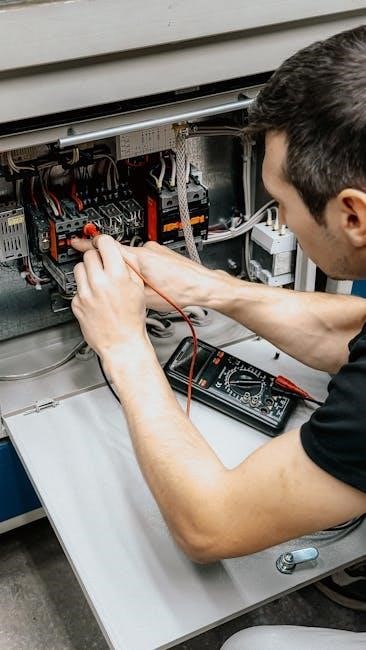
If the heater isn’t activating, verify the power supply to the unit and check the thermal cut-out switch, which protects against overheating. A faulty heating element is a common cause of insufficient heating; use a multimeter to test the element for continuity. Refer to the Swift Hot Water System Manual for detailed testing procedures and component locations.
Sediment buildup within the tank can also reduce heating efficiency. Regularly flushing the tank helps prevent this. If the heater cycles on and off frequently, it could indicate a thermostat issue. Always disconnect power before performing any electrical tests or repairs. Consider professional assistance if you’re uncomfortable working with electrical components.
Checking the Upstream Water Treatment System

The performance of your Swift hot water system is heavily reliant on the quality of the incoming water supply. A neglected upstream water treatment system can introduce contaminants that cause scaling, corrosion, and ultimately, heater malfunctions. Regularly inspect and maintain any filters, water softeners, or sediment traps installed before the hot water unit.
Hard water, rich in minerals like calcium and magnesium, is a primary culprit for scale buildup. Consider installing a water softener if you consistently use hard water. Sediment, such as sand and rust, can clog the system and reduce efficiency. Flush the system periodically to remove accumulated debris.
Ensure the water supply lines are free from leaks and corrosion. Check for proper water pressure, as insufficient pressure can affect heater operation. Refer to the Swift Hot Water System Manual for recommended water quality parameters and maintenance schedules. Addressing upstream water issues proactively can significantly extend the lifespan of your hot water system and prevent costly repairs.
Resetting the PCU (Power Control Unit)
The Power Control Unit (PCU) is the brain of your Swift hot water system, and a reset can often resolve minor operational glitches. Before attempting a reset, ensure the system is completely powered off – disconnect from the mains electricity supply. Allow a few minutes for the capacitors to discharge fully.

The reset procedure typically involves briefly pressing and releasing the reset button located on the PCU itself. Consult your Swift Hot Water System Manual for the precise location of this button, as it can vary depending on the model. After pressing the reset button, reconnect the power supply and observe if the system restarts correctly.
If the PCU continues to display error codes or the system fails to operate after a reset, it indicates a more significant underlying issue. Repeatedly resetting the PCU without addressing the root cause can potentially damage the unit. In such cases, it’s crucial to consult a qualified technician for further diagnosis and repair. A reset is a temporary fix, not a permanent solution.
Coolant Tank & Water Levels – Importance & Checks
Maintaining correct coolant and water levels is paramount for the efficient and safe operation of your Swift hot water system. The coolant, typically a glycol-based solution, prevents freezing and aids in heat transfer. Low coolant levels can lead to overheating and potential damage to the heater element and pump.
Regularly inspect the coolant tank, usually a translucent reservoir, to visually confirm the fluid level is within the marked ‘minimum’ and ‘maximum’ indicators. Top up with the correct type of coolant as specified in your Swift Hot Water System Manual – using an incorrect coolant can compromise system performance and void warranties.
Insufficient water in the system, particularly if the motor is running dry, is a common cause of overheating. Ensure the water tank is adequately filled before each use. Check for any leaks in the tank, hoses, or connections. A consistent need to top up water suggests a leak that requires immediate attention from a qualified technician. Proper levels are vital for longevity.
Dull Cutting Tools & Their Impact (If Applicable)
While seemingly unrelated, dull cutting tools – specifically within systems utilizing a flow-based heater where a cutting mechanism regulates coolant or water flow – can significantly impact hot water system performance. A dull cutting tool requires increased motor effort to function, generating excessive heat.
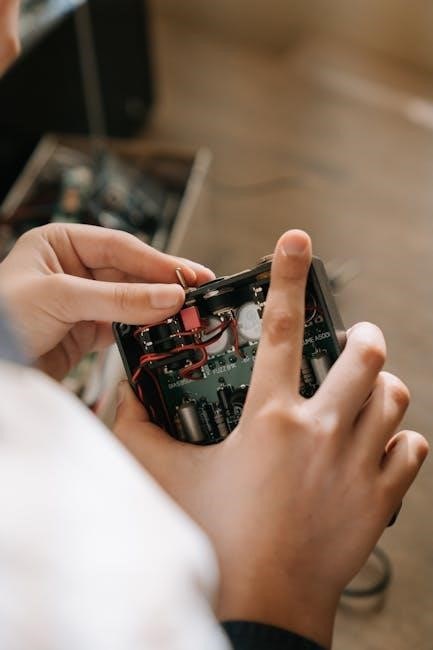
This increased heat load can trigger the motor’s internal thermal overload protector, causing system shutdown. Consistent overheating despite adequate coolant and water levels should prompt an inspection of the cutting tool’s sharpness. Replacing a dull tool restores efficient operation and reduces strain on the motor.
The Swift Hot Water System Manual will detail if your specific model incorporates such a cutting tool and provide guidance on its inspection and replacement. Ignoring this aspect can lead to premature motor failure and recurring error codes. Maintaining sharp cutting tools ensures optimal flow rates and prevents unnecessary stress on the system’s components, extending its lifespan.
Swift Hot Water System Manual – Accessing Resources
Locating the correct Swift Hot Water System manual is paramount for effective troubleshooting, installation, and routine maintenance. These manuals contain detailed diagrams, error code explanations, and step-by-step instructions specific to your model. Many users find downloadable PDFs online through the Swift website or authorized dealer portals.
A comprehensive search using your model number is crucial to ensure you obtain the correct documentation. The manual provides vital information regarding PCU reset procedures, coolant level checks, and identifying potential issues related to water supply and pressure. It also outlines safety precautions and warranty details.
Beyond the official Swift resources, online forums and communities dedicated to caravan and motorhome maintenance often host shared manuals and troubleshooting tips. However, always verify the information against the official documentation. Accessing these resources empowers you to diagnose and resolve common problems independently, potentially saving on repair costs and downtime.
Australia-Wide Support & Repair Services
When troubleshooting proves insufficient, or for complex repairs, accessing qualified Australia-wide support is essential. Swift maintains a network of authorized service centers equipped to handle all aspects of your hot water system, from diagnostics to component replacement.
Several mobile repair services specialize in caravan and motorhome appliances, offering convenient on-site assistance. These technicians possess expertise in Swift systems and can quickly identify and resolve issues, minimizing disruption to your travels. Always ensure the technician is qualified and experienced with Swift products.
Before contacting a service provider, gather your system’s model number and a detailed description of the problem, including any error codes displayed on the PCU. Having this information readily available streamlines the diagnostic process and potentially reduces repair costs. Online directories and Swift’s official website often list authorized service partners across Australia, ensuring reliable and professional support.
Leave a Reply
You must be logged in to post a comment.